
Pet Parasite Control
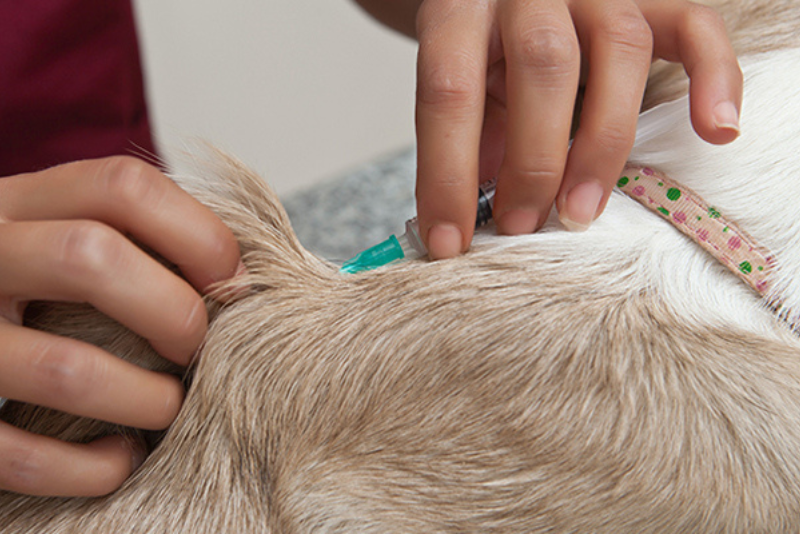
Parasite prevention is a year-round commitment and an essential part of maintaining dogs and cats’ health. At Riverview Animal Hospital, we’re here to help you understand the risks parasites pose and guide you in choosing the best prevention plan to protect your pet.
Common Types of Dog and Cat Parasites
Parasites generally fall into two categories: external and internal. External parasites live on your pets coat or skin, while internal parasites live inside the body. Both external and internal parasites can make your pet uncomfortable, ill and, in some cases pose health risks to people.
Common External Parasites
Dogs and Cats may be affected by a variety of external parasites including:
- Fleas
- Ticks
- Ear Mites
Common Internal Parasites
Pets can also contract several types of internal parasites, such as:
- Heartworm
- Hookworm
- Roundworm
- Tapeworm
- Whipworm
- Lungworm
- Giardia
- Coccidia
Routine screenings and consistent preventive care are the best ways to protect your pet from parasites and the health complications they can cause.
Heartworms
A heartworm is a parasitic worm that lives in the heart and pulmonary arteries of an infected animal. The worms travel through the bloodstream—harming arteries and vital organs as they go—ultimately completing their journey to the vessels of the lung and the heart chamber about six months after the initial infection. Several hundred worms can live in one dog for five to seven years. Heartworm disease is serious, and can be fatal. Heartworms have been found in all 50 states but is most prevalent in the southern part of our nation.
Signs and diagnosis of parasites in dogs and cats
Parasites can be difficult to detect, as many pets show subtle, or no, symptoms at first. Knowing the common signs and pursuing timely testing and treatment are to protect your pets’ health.
Common Symptoms of External Parasites
External parasites live on your pets’ coat or skin and may cause the following symptoms:
- Fleas: Itching, scratching, hair loss, red or irritated skin, flea dirt (tiny black specks) on skin
- Ticks: Visible ticks on haircoat or attached to skin, localized swelling or redness, lethargy, lameness, fever (if infected with tick-borne disease)
- Mites: Intense itching, hair loss, scabs, head shaking (ear mites)
Common Symptoms of Internal Parasite
Internal parasites live inside the body and may affect overall health:
- Roundworms: Vomiting, diarrhea, lethargy, poor coat condition or quality, potbelly appearance (particularly in young animals), slowed or delayed growth
- Tapeworms: Rice-like segments in feces, excessive scooting, weight loss, vomiting. Some pets show no obvious signs. Dogs may scoot or lose weight; cats may experience weight loss and vomiting. Some pets show no signs of infection.
- Hookworms: Bloody diarrhea, weight loss, pale gums. Can be severe, particularly in young animals.
- Whipworms: Diarrhea, weight loss, weakness, pale gums
- Heartworms: Coughing, fatigue with exercise, weight loss, swollen abdomen heart failure. Many pets show no signs of infection until a more advanced stage of disease.
- Giardia: Diarrhea, excess gas or bloating, vomiting, weight loss
- Coccidia: Diarrhea, vomiting, weight loss, lethargy.
Diagnosing Parasites
Many canine and feline parasites are not visible to the naked eye, which is why diagnostic testing is so important. To aid in determining if your pet has internal parasites, we will perform a microscopic examination of a fecal sample. If you are concerned about internal parasites in your pet, please bring a fresh stool sample to your appointment, so our team can evaluate the sample and provide appropriate guidance or treatment.
Heartworm Testing
At Riverview Animal Hospital, heartworm disease is diagnosed by examination, x-rays or ultrasound, and a veterinarian-administered blood test. All dogs and cats should be routinely screened with a blood test for heartworm either annually in spring, at the start of mosquito season, or before being placed on a new prescription for a heartworm preventive
Cat and dog parasite treatment and prevention
Protecting your pet from parasites requires a proactive, year-round approach. With the right prevention plan and routine care, many parasite-related illnesses can be avoided.
Consistent use of preventative medication
Our vets will recommend the most appropriate flea, tick, and heartworm medication based on your pets age, lifestyle and overall health. For the best protection, these medications should be given consistently and year-round to prevent infestations and serious disease.
Ongoing monitoring of your pets’ health
Regular wellness visits allow our team to monitor your pet for signs or parasites and address concerns early. We will work closely with you to track changes in your dog or cat’s health and adjust prevention strategies as needed.
Practicing good hygiene at home
Good hygiene plays an important role in parasite prevention, we recommend:
- Washing your pets bedding, food bowls, and water bowls regularly
- Promptly picking up your dog’s waste at home and on walks
- Washing your hands
These simple steps help to protect not only your pet, but also your family, from parasites that can spread in the environment.
Heartworm Treatment
Treatment for heartworms is costly and lengthy. Once the medicine is given the worms begin to die, meaning they break into small pieces which can occlude a pulmonary vessel or become lodged in the small arteries of the body. Therefore, while waiting to be heartworm free your pet must be kept quiet and as immobile as possible. This is very stressful to the pet as their natural instinct is to run around and be playful.
The most effective treatment for heartworms is prevention. Riverview Animal Hospital carries most preventative medicines, which come in several forms such as pills, injectable medicine and even tasty treats. For more information about preventative medicines and heartworm testing, make an appointment or call us today.
Book an Appointment Today!
Cookies on this website are used to both support the function and performance of the site, and also for marketing purposes, including personalizing content and tailoring advertising to your interests. To manage marketing cookies on this website, please select the button that indicates your preferences. More information can be found in our privacy policy here.